
Connecting invoice intake across European operations
A two-phase invoice automation engagement for a multinational organisation, connecting document intake, validation and remediation with its existing procurement process.
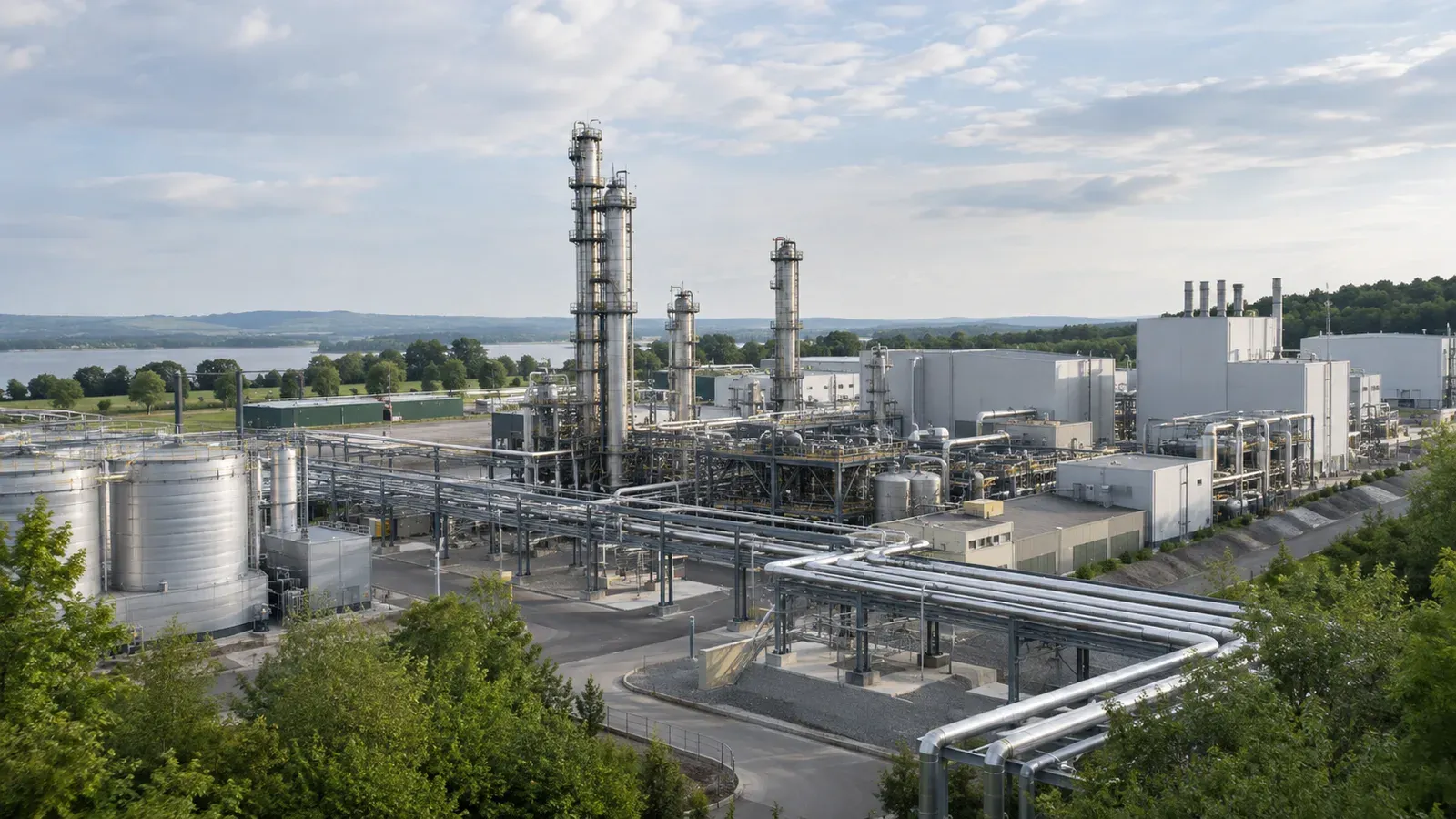
Our customer is a multinational organisation in Energy, Resources & Industrials, with an invoice-processing engagement spanning sites in the European Union. The work connects incoming supplier documents with the organisation’s existing procurement platform, while retaining AP ownership of exceptions and submission decisions.
The team defined a two-phase approach: establish a consistent intake and validation path, then extend that foundation with invoice remediation and matching. AP Automate and Syntext Flow support the connected process without replacing the customer’s procurement system.
The manual starting point
Invoices arrived through different channels and formats, including PDF and structured electronic documents. The AP team had to monitor incoming documents, create invoice records and complete missing information before moving work through the procurement process.
Supplier details, accounting fields and purchase-order information were not always complete. When the same invoice arrived through more than one channel, the team also needed to identify the duplicate before creating another record.
The challenge was broader than reading an invoice. It was preparing usable information for the next system without losing visibility of the documents that still needed a decision.
Phase 1: Connect intake, extraction and validation
The first phase brings incoming invoices into a controlled intake process. Relevant document information is extracted and checked against the agreed business references, including supplier and accounting information.
Invoices that satisfy the configured checks can advance through automatic verification. Missing or incorrect information remains available for human review rather than being passed downstream without explanation.
The handoff prepares draft invoice records in the existing procurement platform, with the available fields populated. The AP team retains responsibility for the required matching and submission steps. Checks across document channels address the risk of creating duplicate invoice records.
This phase establishes the foundation: a repeatable route from source document to a prepared invoice record, with exceptions kept visible.
Phase 2: Add remediation before the handoff
The second phase extends the process to address incomplete purchase-order and line-item information before the invoice reaches the procurement platform.
Flow coordinates the agreed preparation steps and business-record lookups. AP Automate provides the invoice context, verification and matching path. Information that cannot be resolved through the configured process stays with a person for review.
The phase’s scope includes preparing matched draft invoices for AP review and submission. It preserves the distinction between preparing information and authorising what happens next: the receiving system remains part of the customer’s controlled procurement process.
One approach across multiple sites
A phased approach provides a common foundation while allowing the agreed input channels, business references and operating requirements to be considered for each site. Source documents and the records prepared for the procurement platform form part of the validation process.
The two phases address different parts of the same problem. The first organises intake and prepares the invoice record; the second adds remediation and matching before the handoff. Human review remains part of both.
Keep the system. Improve the work around it.
This engagement illustrates where document automation fits alongside an existing enterprise platform. The focus is the work around the invoice: collecting the source, preparing its information, resolving exceptions and delivering a reviewable record to the next step.
Explore AP Automate, Syntext Flow or our guide to AP automation with an ERP. To discuss a similar process, book free initial discovery.